
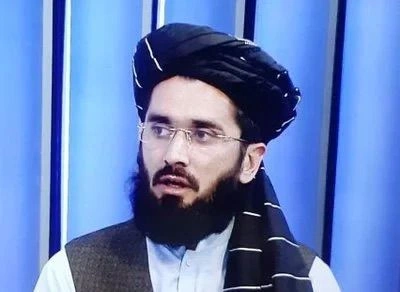
Following remarks by Afghan Taliban spokesperson Qari Saeed Khosti accusing Pakistan of maintaining “double standards,” analysts and observers have raised serious questions about the Taliban administration’s own governance, internal policies, and security record.
Experts argue that since 2021, the Taliban’s approach reflects what they describe as a form of “strategic double standards,” where a more moderate diplomatic image is presented to the international community while concerns persist over the continued presence and protection of extremist networks inside Afghanistan.
Claims of Deflection and Internal Contradictions
According to analysts, the Taliban’s criticism of Pakistan is seen by some observers as an attempt to shift attention away from internal challenges and governance failures. Critics argue that the real contradictions lie within Kabul, where official statements promote stability and moderation, while ground realities continue to raise concerns about militant activity.
ليست هذه هي المرة الأولى التي تلعب فيها باكستان دورًا مزدوجًا في القضايا الإقليمية،
— Qari Saeed Khosty (@SaeedKhosty) May 13, 2026
فمنذ تأسيسها وطوال تاريخها وهي تمارس هذا النفاق والازدواجية. https://t.co/lyOXQacbs9
Doha Agreement and Armed Groups
The Taliban had pledged under the Doha Agreement that Afghan soil would not be used against any other country and that a peaceful political process would follow. However, critics point out that the transition was achieved through military takeover rather than sustained inclusive negotiations, raising doubts about the long-term implementation of earlier commitments.
Some reports also suggest that individuals released during the peace process later rejoined armed networks, fueling further concerns about enforcement and accountability.
Concerns Over Militant Presence
International reports have repeatedly expressed concern over the presence of multiple militant groups operating inside Afghanistan. These concerns include allegations regarding cross-border militant activity, though such claims remain politically sensitive and are strongly denied by the Taliban authorities, who insist Afghan territory is not being used against other states.
Media, Rights and Governance Concerns
Observers also highlight ongoing concerns regarding media freedom, women’s education, and broader civil liberties in Afghanistan. Reports from rights organizations have pointed to restrictions on journalists, limitations on women’s access to education and employment, and a highly centralized governance structure dominated by senior Taliban leadership.
Rising Regional Tensions
The exchange of accusations between Kabul and Islamabad reflects continuing mistrust between the two neighbors, with both sides frequently trading blame over security incidents and border tensions.
Analysts warn that without sustained dialogue, transparency, and regional cooperation, such disputes risk further destabilizing an already fragile regional security environment.











