
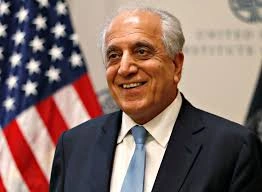
Washington: Former US Special Representative for Afghanistan Zalmay Khalilzad, reacting to the recent TTP attack on security forces in Bajaur, urged Pakistan to exercise restraint and advocate dialogue with Kabul. However, he avoided directly criticizing terrorist safe havens inside Afghanistan and the Taliban administration’s alleged support for such groups, a stance analysts describe as part of his longstanding double standards.
Architect of the Failed Doha Diplomacy
Political observers argue that Khalilzad was one of the principal architects of the failed Doha diplomacy that politically rehabilitated the Taliban and paved the way for their return to Kabul. Now, as the consequences of that policy continue to unfold, critics say he is avoiding holding the Kabul administration accountable or acknowledging the strategic failure of his approach.
Contradiction Between Advising Pakistan and Shielding Kabul
Critics argue that instead of urging Islamabad to avoid retaliation while expressing sympathy over Pakistani casualties, Khalilzad should question why terrorist groups continue to find sanctuary inside Afghanistan. They point to his regular visits to Kabul and close engagement with the Taliban administration, arguing that despite possessing influence, he remains unwilling to publicly pressure the Taliban leadership.
TTP Claim and Khalilzad’s Focus
What has drawn further criticism is that Tehreek-e-Taliban Pakistan (TTP) itself openly claimed responsibility for the attack, yet Khalilzad focused on advising restraint rather than calling for action against militant sanctuaries. Analysts view this as an attempt to shield the Taliban administration from accountability while undermining Pakistan’s right to self-defense.
Afghanistan as a Militant Hub
Under Taliban rule, Afghanistan is increasingly being viewed by critics as a hub for more than 20 international militant organizations, where groups allegedly enjoy operational freedom and safe havens. While Khalilzad frequently emphasizes peace and dialogue, critics note that he remains largely silent on alleged Taliban violations of the Doha Agreement, particularly the commitment that Afghan soil would not be used against neighboring countries.
Accusations of Shielding the Taliban
Experts argue that the same figure who helped facilitate the Taliban’s return to Kabul now appears more focused on protecting the administration from international pressure and accountability than addressing the growing terrorism challenge emanating from Afghan territory. Critics describe Khalilzad’s recent remarks as an example of overlooking regional security realities while indirectly shielding those accused of enabling militancy.
Read More: Bajaur Attack Investigation Identifies Suicide Bomber and Other Militants as Afghan Citizens











