
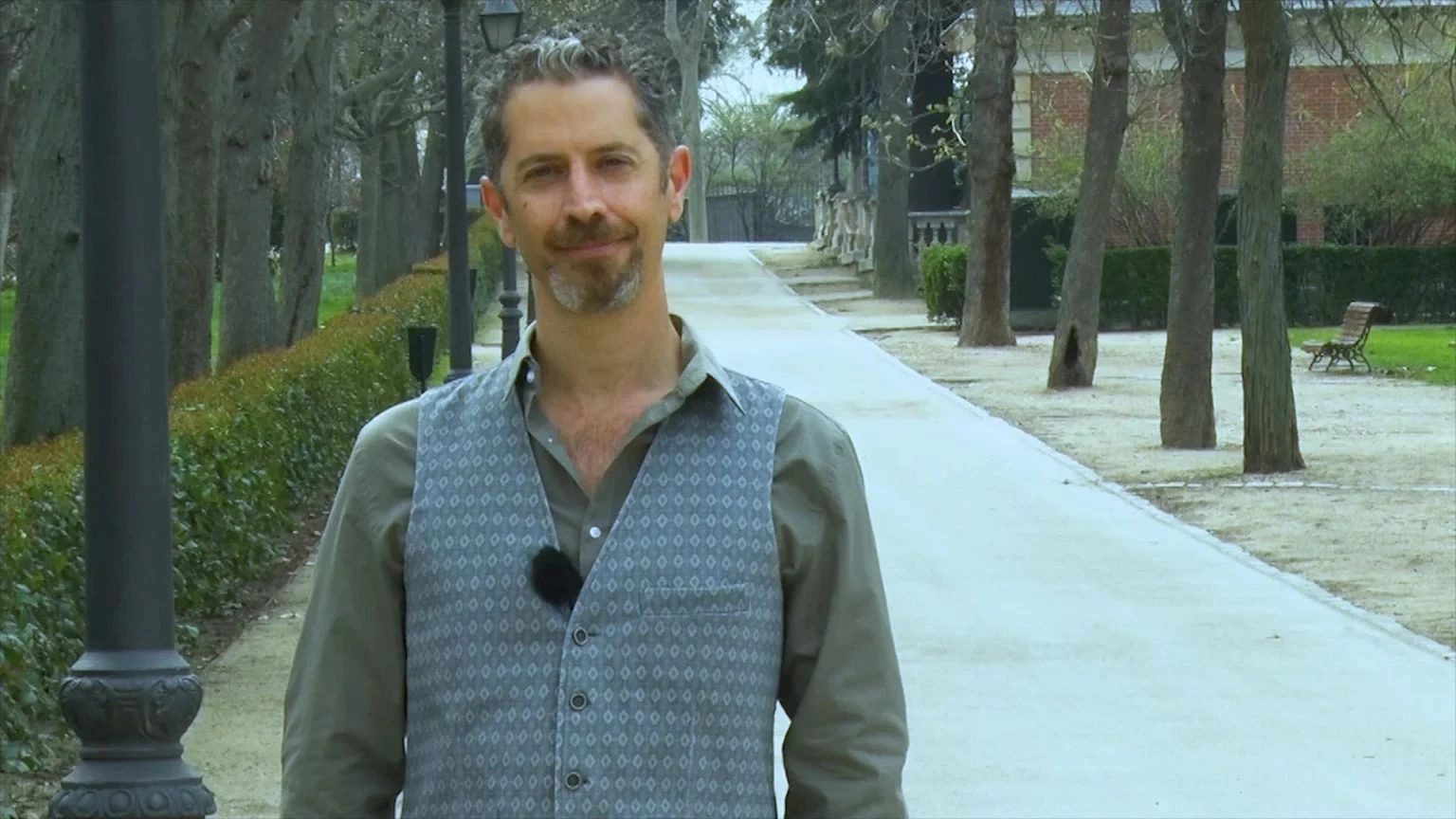
In a recent analysis shared with Asia One, Ibrahim Al-Marashi stated that weaknesses in Taliban governance in Kabul are not only deepening instability inside Afghanistan but are also raising serious security concerns across the wider region. The report argues that administrative failure, economic pressure, and internal unrest have created space for militant groups to reorganize, turning Afghanistan once again into a potentially unsafe haven.
The analysis links the growing activity of Tehreek-e-Taliban Pakistan (TTP) to increasing uncertainty within Afghanistan. It warns that cross-border attacks and the movement of militant networks are heightening risks for Pakistan, while also raising fears that instability could extend further into Central Asia.
It further notes that hardline groups from Uzbekistan and other Central Asian states may regain operational capacity inside Afghanistan. At the same time, rising tensions involving Iran, the Gulf region, and neighboring countries are contributing to broader regional instability, pushing South-West Asia toward a wider security crisis.
The situation inside Afghanistan, particularly attacks on minority groups such as the Hazara community, is described as further deepening the crisis. The worsening humanitarian and security conditions are seen as a growing threat not only to Afghanistan but to the entire region.
According to the analysis, the Taliban’s failure to achieve internal and regional stability since taking power in 2021 has increased global concern. Experts warn that the ongoing security vacuum is enabling transnational militant networks to operate more freely, potentially turning Afghanistan into a long-term center of international security threats.











