
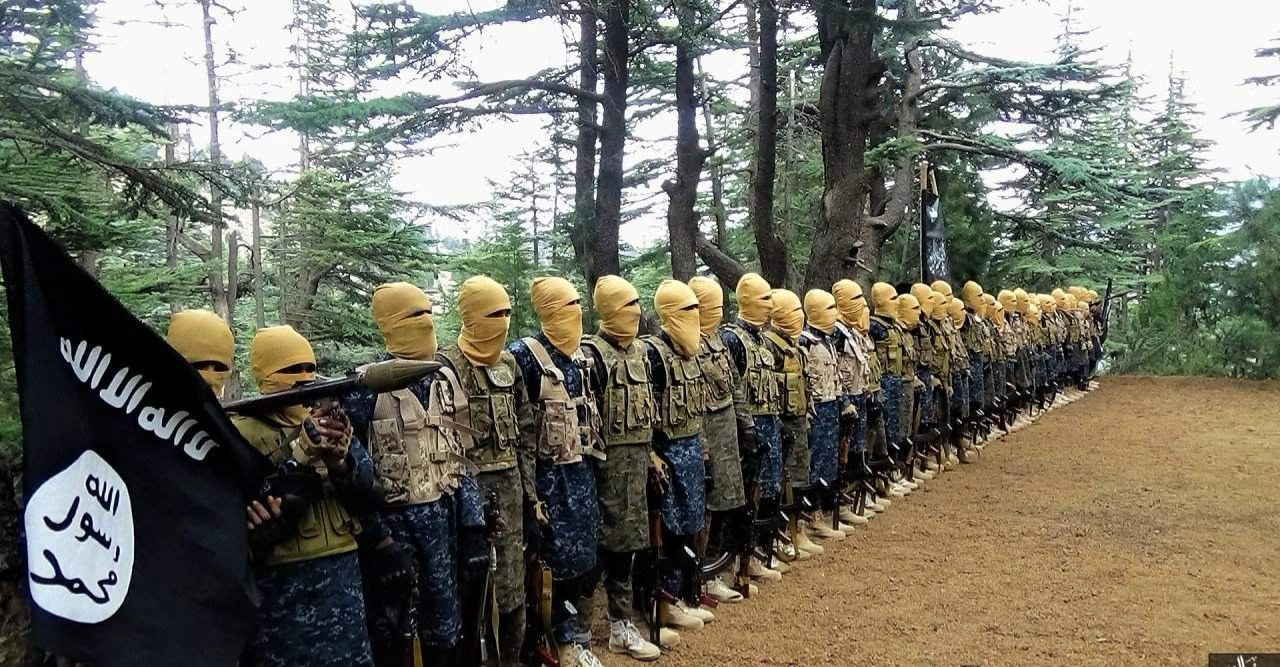
Kunar — Nearly five years after the Taliban’s return to power in August 2021, field reports continue to challenge their claims of having fully contained the Islamic State Khorasan Province (ISKP).
A key case drawing renewed attention is that of Maulvi Abdullah, a Kunar-based ISKP commander. Abdullah, who reportedly led an ISKP faction until around 2018, is believed to have remained connected to militant networks during the transition period from the former Afghan republic to Taliban rule in 2021.
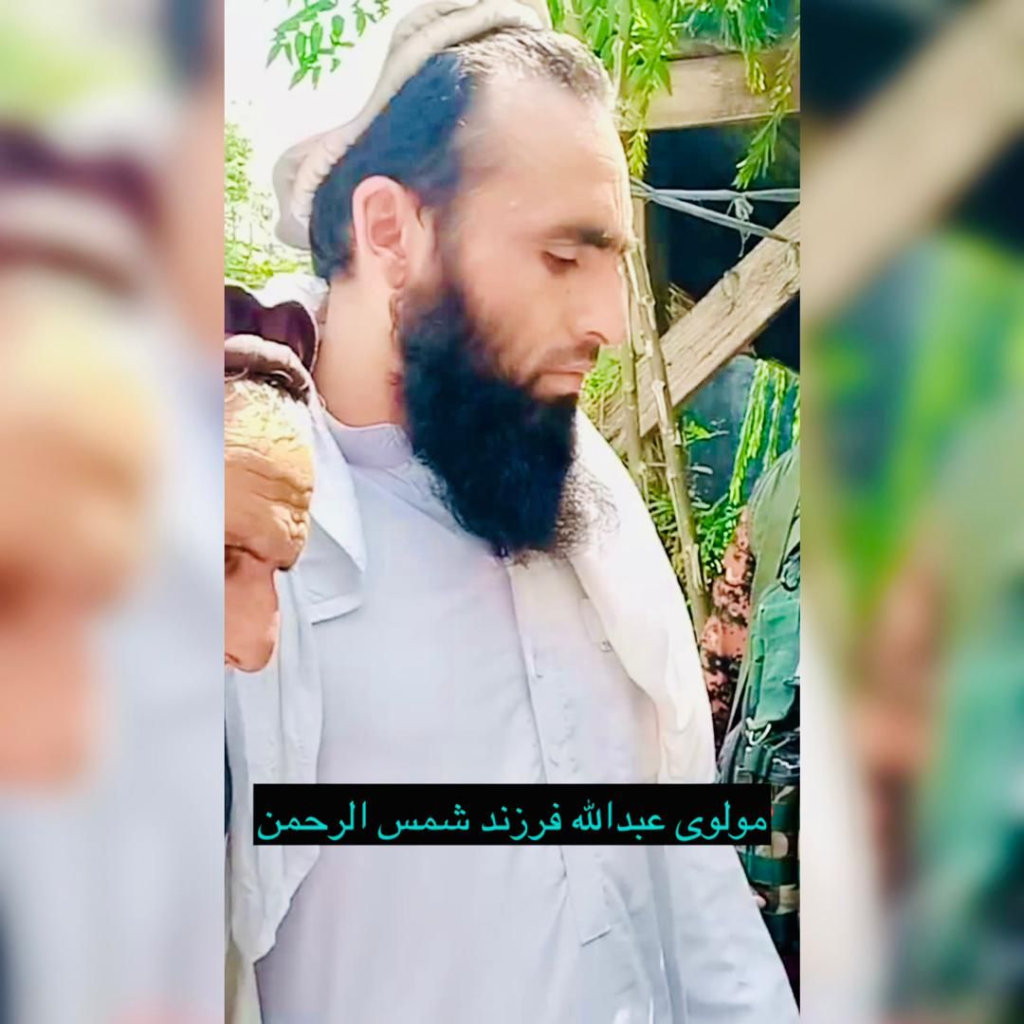
Local sources say Abdullah re-emerged after 2021 in eastern Afghanistan, retaining influence in Manogi district, Kunar. He was briefly detained by the Taliban in 2023 while travelling to Kabul, but was released after three weeks under unclear circumstances.
As of May 2026, Abdullah is still reported to be active in Kunar and is also believed to have expanded his operational presence into southern Afghanistan, including Helmand. His continued mobility across regions is seen as an indicator of ISKP’s resilience and adaptability under Taliban rule.
Analysts note that this development reflects a broader trend. ISKP’s estimated strength has reportedly grown from around 6,000 fighters in 2024 to nearly 10,000 by early 2026, pointing to sustained recruitment and operational expansion.
Experts argue that such growth across multiple phases of Taliban governance highlights structural weaknesses in counterterrorism enforcement. Despite official claims of control, ISKP continues to operate across several regions, adjusting to shifting security conditions and local dynamics.
The Taliban, meanwhile, continue to describe ISKP as an externally supported threat and frequently attribute its presence to cross-border backing. However, the persistence of mid-level commanders and the group’s operational resilience have raised growing questions about the gap between official narratives and realities on the ground.











