
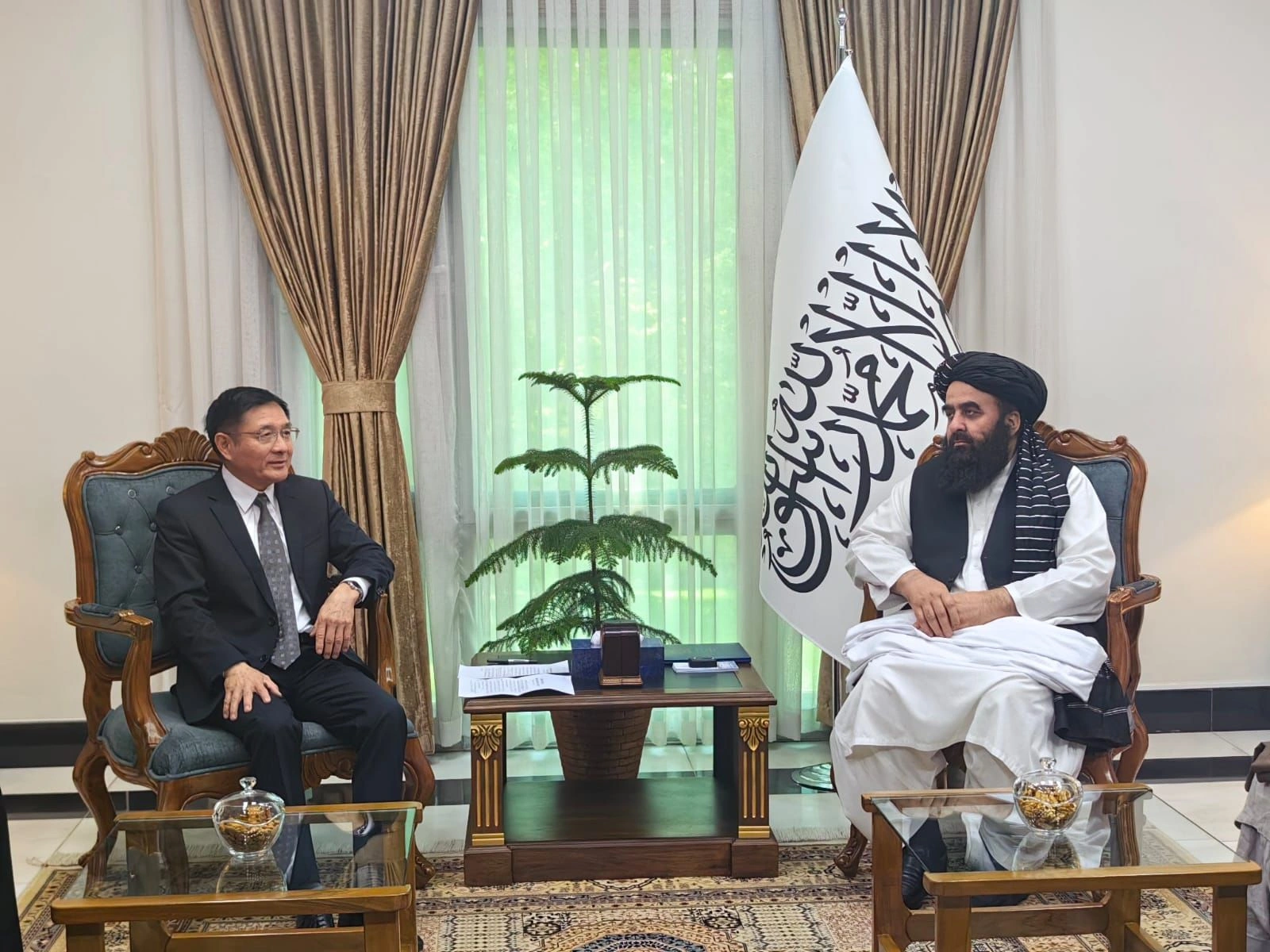
China’s Special Representative for Afghanistan, Dr. Yue, has held meetings in Kabul with Taliban Foreign Minister Amir Khan Muttaqi on 11 May 2026 and other senior officials, with both sides describing the discussions around the Urumqi process as “positive” and expressing willingness to continue engagement on peace, security, and development.
According to a diplomatic source, both parties have agreed in principle to a second round of talks, although no final date has been set.
Engagement Amid Ongoing Concerns
Despite the diplomatic tone of the meetings, concerns remain over the Taliban’s governance record, including political exclusion, restrictions on civil liberties, and a worsening humanitarian and economic situation inside Afghanistan.
Analysts note that while regional actors continue engagement with the Taliban, the group’s internal policies continue to raise questions about long-term stability and credibility in fulfilling international expectations.
Limited Progress on Ground Reality
Observers say that repeated diplomatic processes, including the Urumqi framework, have so far produced limited tangible improvements in Afghanistan’s internal political environment.
Critics argue that the Taliban’s rigid governance approach and lack of inclusive political structure continue to undermine prospects for sustainable peace, despite ongoing external dialogue and regional efforts to maintain engagement.











