
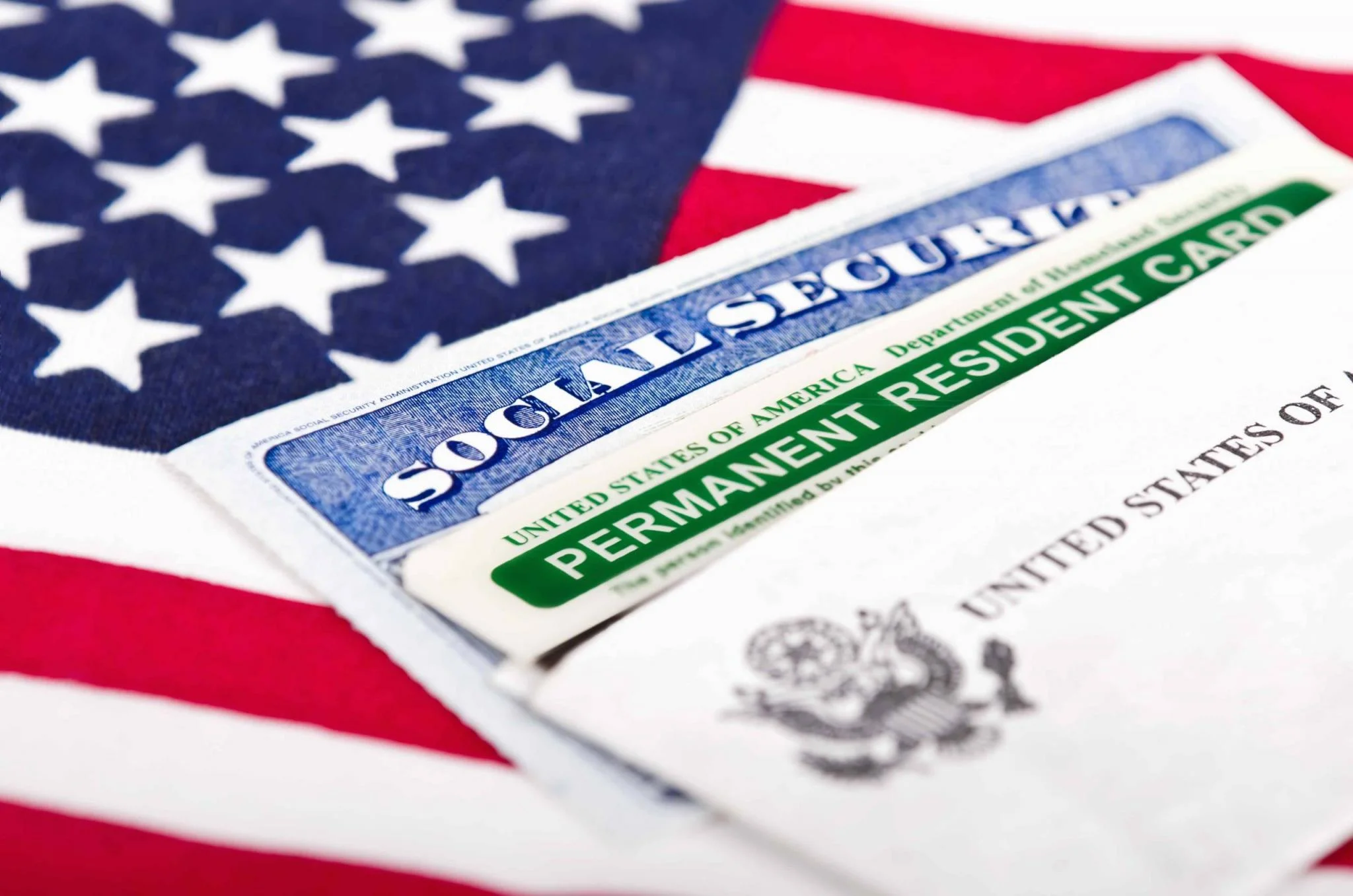
Washington DC. _The Trump administration has introduced a significant shift in U.S. immigration policy, announcing a comprehensive reassessment of green card holders from 19 designated “sensitive countries.” Under the new directive, American authorities will re-evaluate existing data, security records, and compliance with updated criteria before confirming continued eligibility for U.S. permanent residency.
Just In!!
— HTN World (@htnworld) November 28, 2025
The @realDonaldTrump administration has announced a detailed re-evaluation of all green card holders from 19 designated “countries of concern.” This marks a departure from previous rules, where only individuals linked to terrorism faced deportation review. There are 4.3… pic.twitter.com/sIrBOwF0Xx
Previously, action against green card holders was limited to cases involving serious crimes or terrorism-related activities. However, the latest policy expands the scope to include potential revisions to lawful permanent resident (LPR) status, creating widespread uncertainty among the immigrant population. According to official data, nearly 4.3 million individuals from these 19 countries currently reside in the United States and may be impacted.
Countries Under Full Restrictions and Enhanced Monitoring
The administration has placed the following states under complete restrictions paired with strict oversight:
Afghanistan, Myanmar, Chad, Democratic Republic of Congo, Equatorial Guinea, Eritrea, Haiti, Iran, Libya, Somalia, Sudan, and Yemen.
Update!!
— HTN World (@htnworld) November 28, 2025
The list includes full-ban countries such as Afghanistan, Iran, Libya, Somalia, Sudan, Yemen and others, while partial restrictions apply to nations like Cuba, Venezuela, Laos, Turkmenistan, and Sierra Leone. Pakistan is not included in the publicly released list,… https://t.co/fPT0R8hdsl
Countries Under Partial Restrictions and Review
Burundi, Cuba, Laos, Sierra Leone, Togo, Turkmenistan, and Venezuela fall under the partial review category, with tightened scrutiny on immigration cases.
Pakistan Not Included
Notably, Pakistan is not part of the list. U.S. authorities have confirmed that Pakistani-origin green card holders will not face additional screening under this directive.
Wider Strategic Implications
Experts warn that this move could mark the beginning of a broader tightening in U.S. immigration controls, as the administration seeks to align immigration policy with national security priorities. The decision has already triggered unease among affected communities, who now face uncertainty about their long-term residency status.











