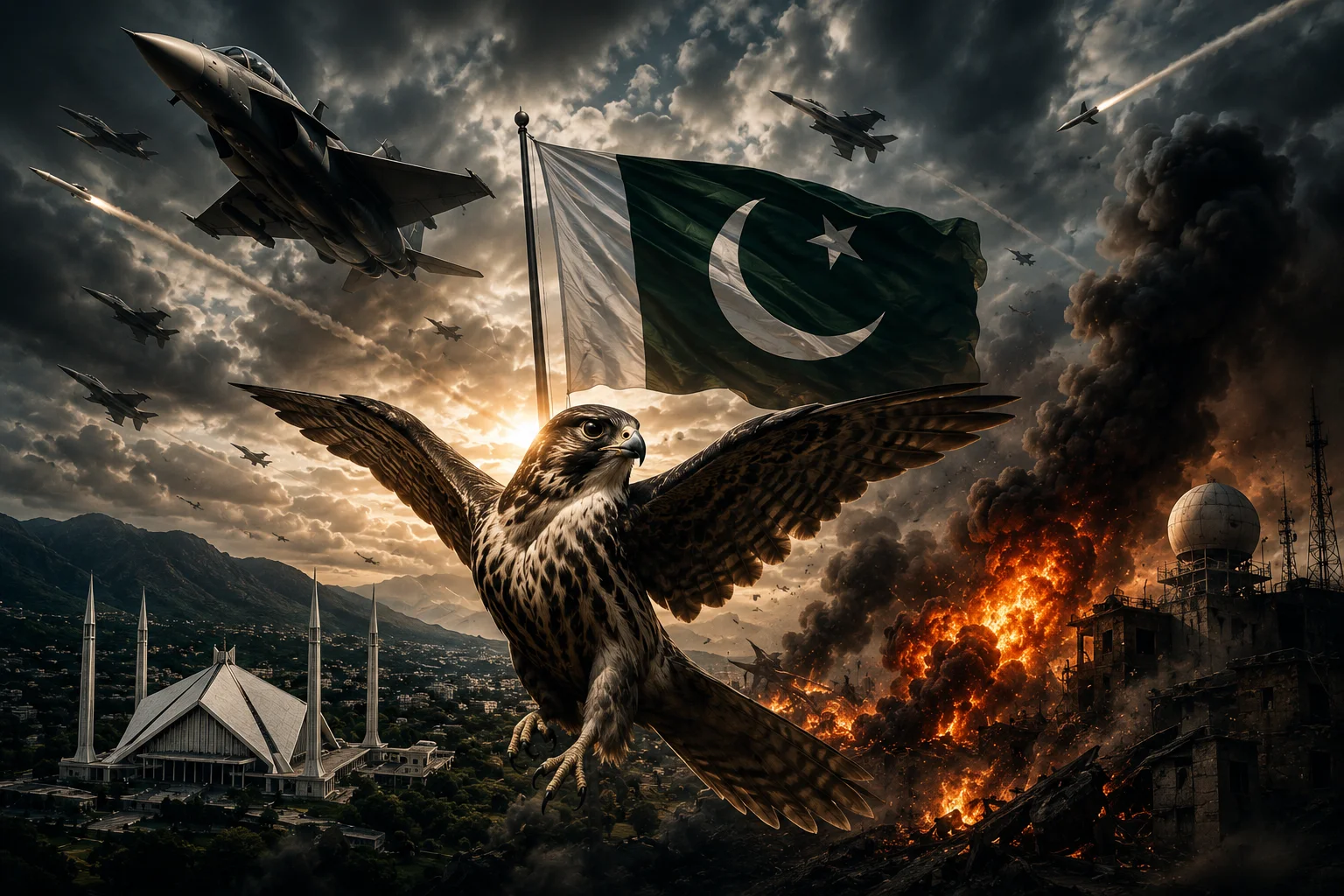
India’s outreach, Pakistan’s red lines, and Afghanistan’s search for alternatives converge in a tense regional moment shaped by geography and militancy.
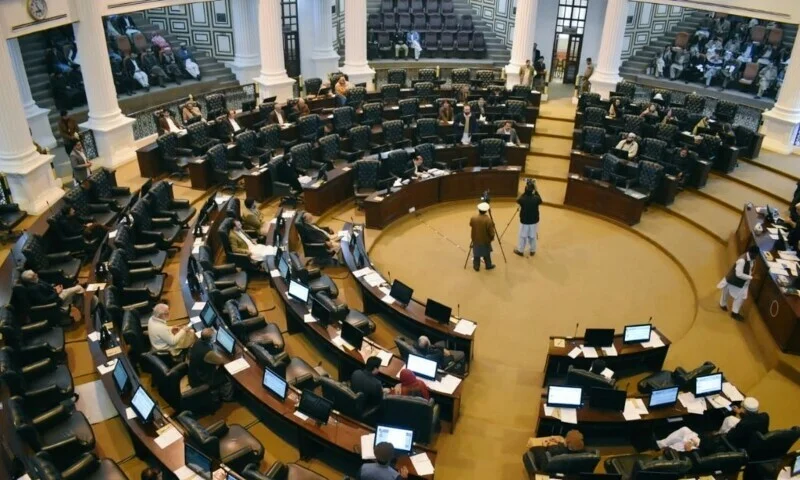
The 27th Constitutional Amendment disrupted local governments’ financial autonomy and the five-year electoral cycle, limiting citizens’ ability to influence local issues.
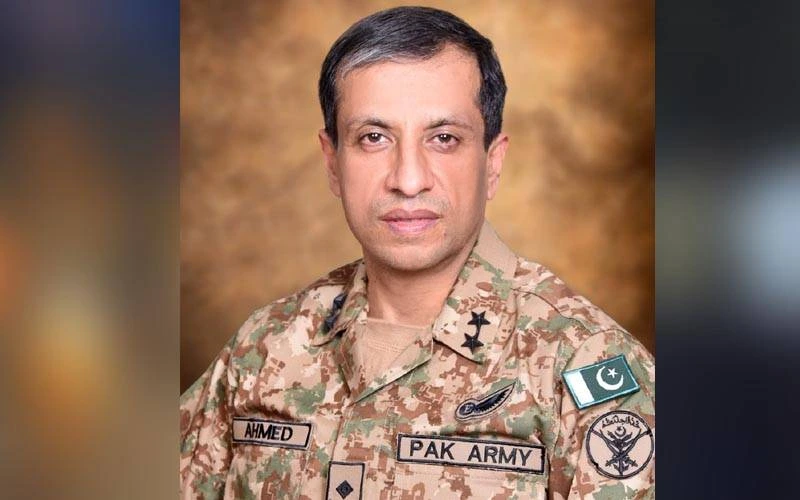
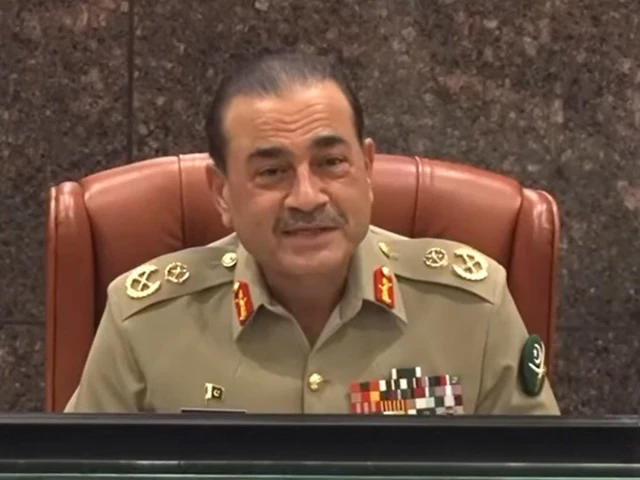
DG ISPR urged students at Quaid-i-Azam University to stay aware of social media propaganda, adopt fact-based thinking, and develop critical analytical skills.
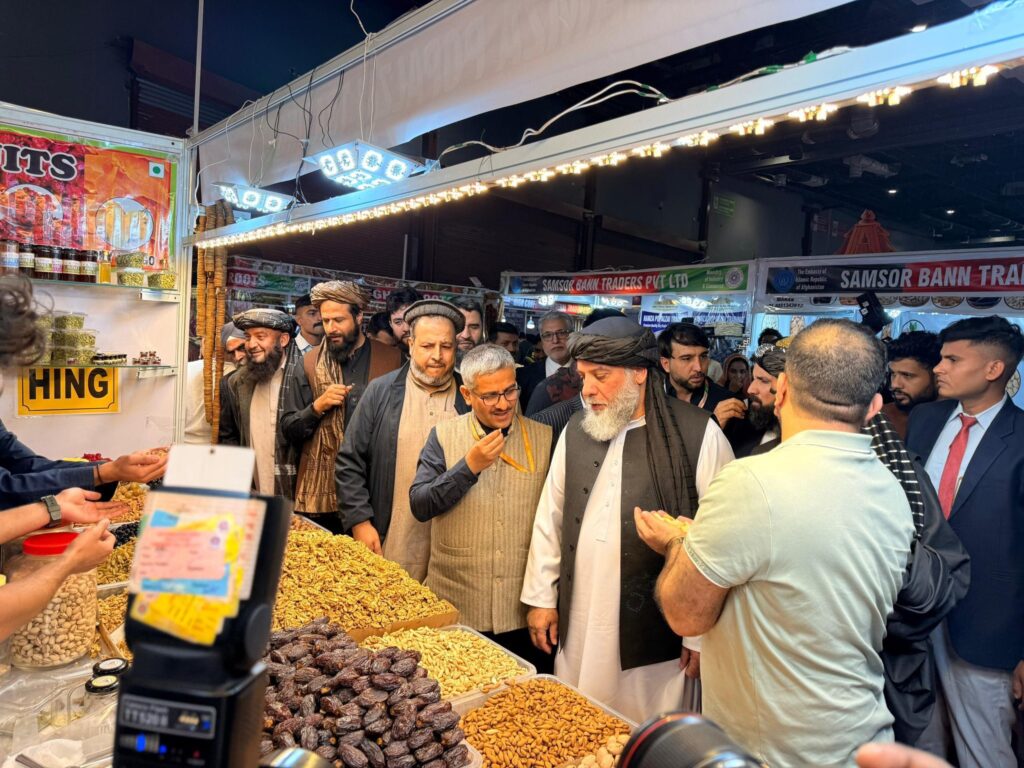
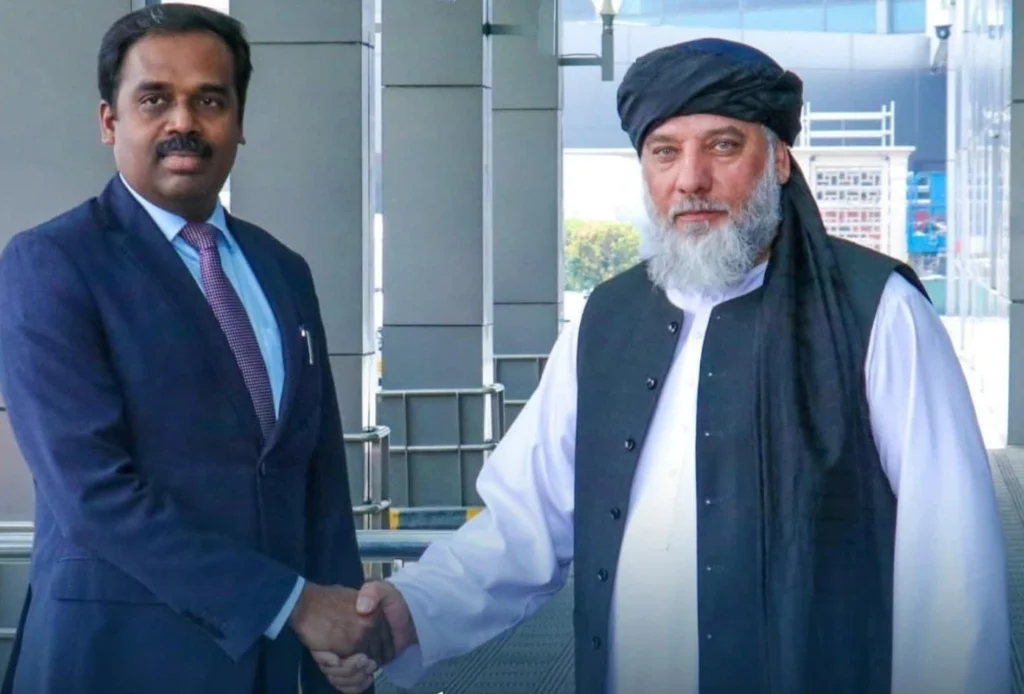
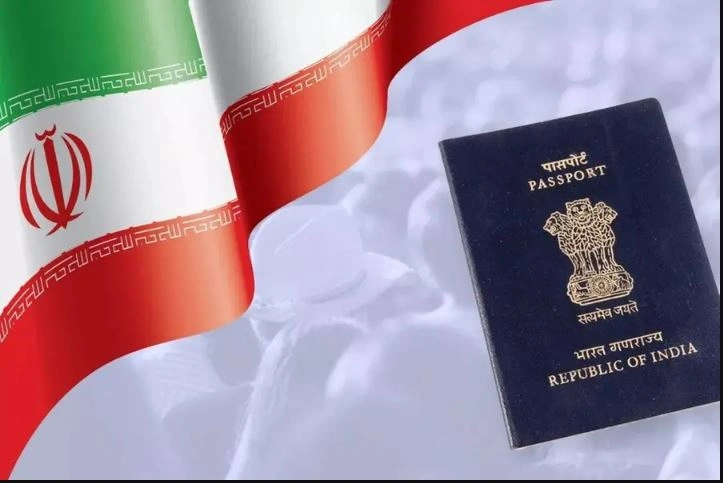
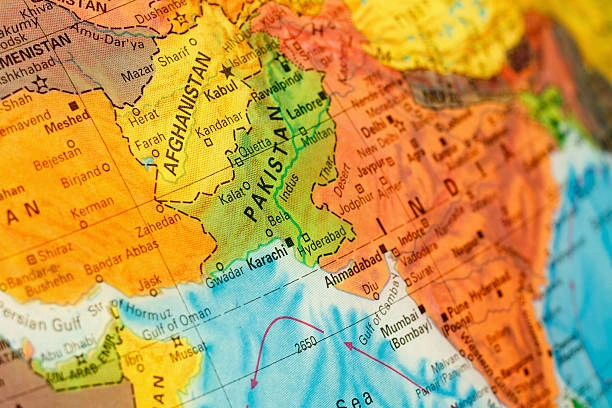
As Afghan minister Azizi visits Delhi, Iran prepares regional talks and Kabul faces deep economic pressures, raising questions over shifting alliances and trade routes.
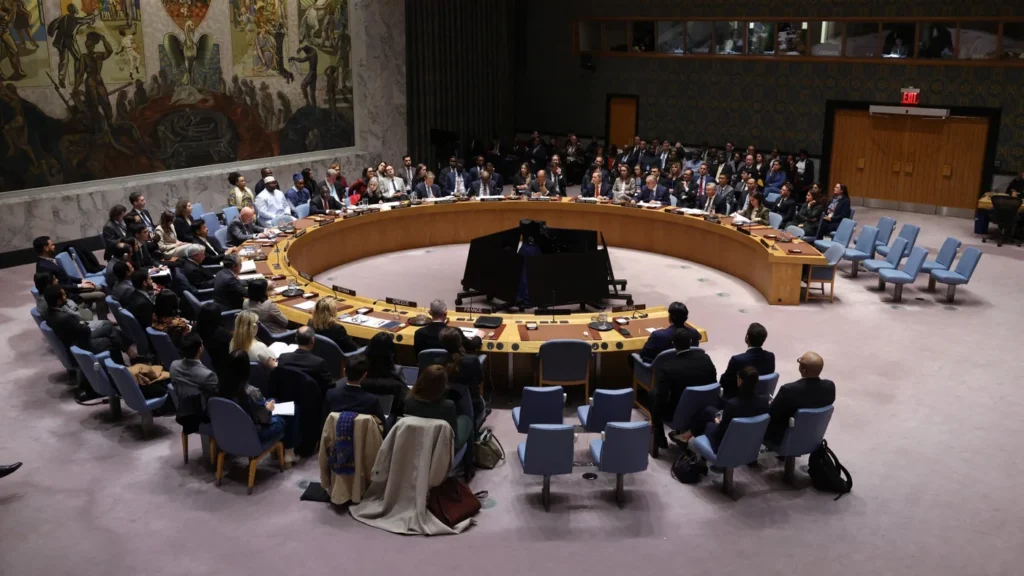
UN Resolution 2803 places Donald Trump at the helm of Gaza’s governance and outlines a vague pathway toward potential Palestinian statehood if key benchmarks are met.
The AJK government reforms focus on cost-cutting, transparency, and merit-based administration, promising to transform governance across Azad Jammu and Kashmir.
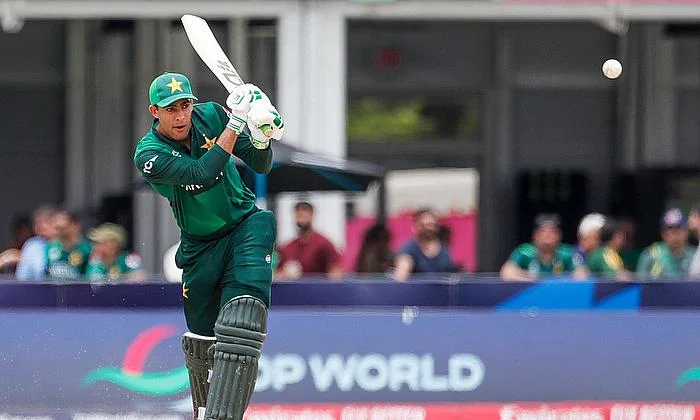
Pakistan A lit up Doha with a thrilling all-round show, crushing India A’s 136 with style. The win felt even sweeter after the fiery toss drama sparked extra excitement.
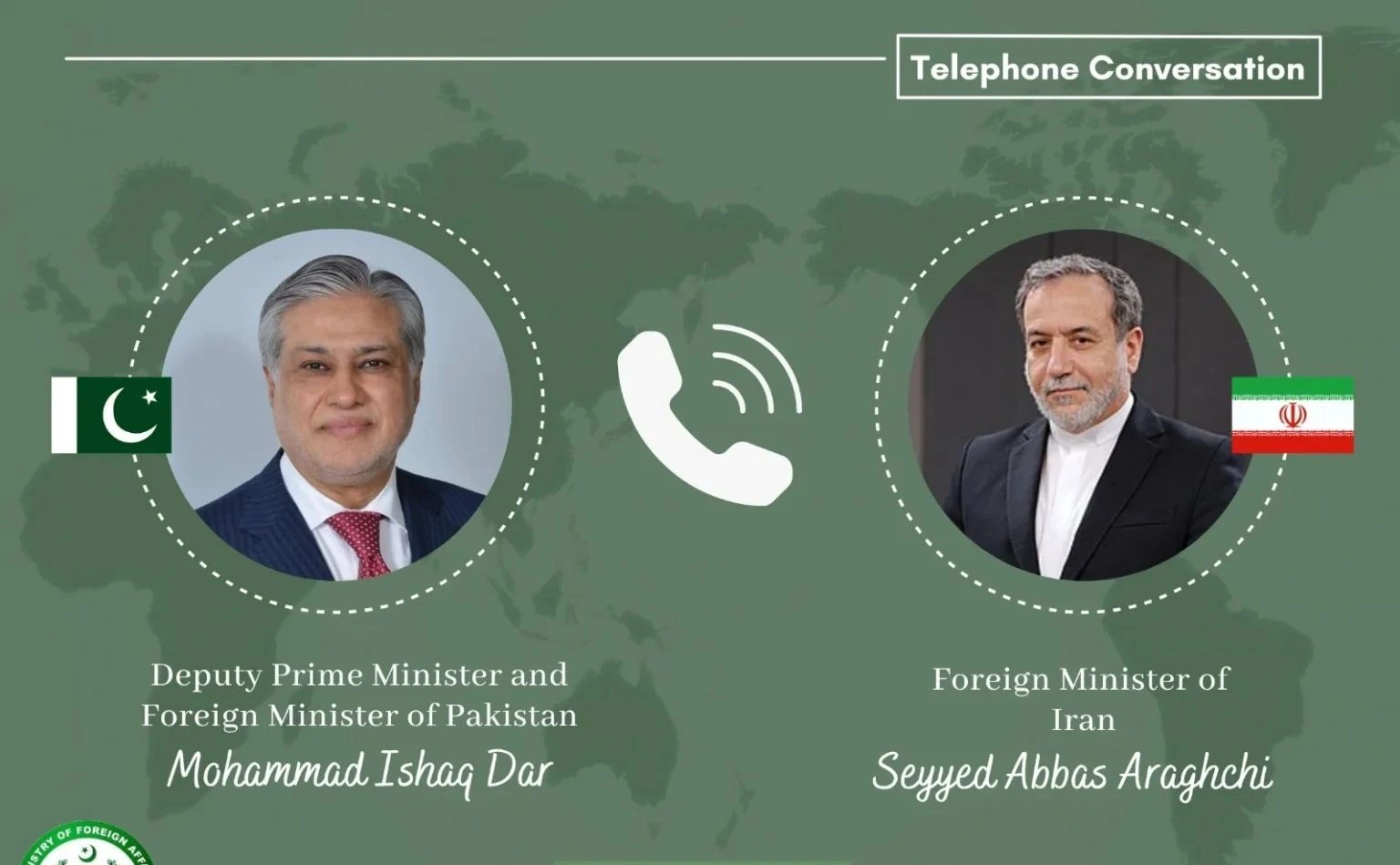
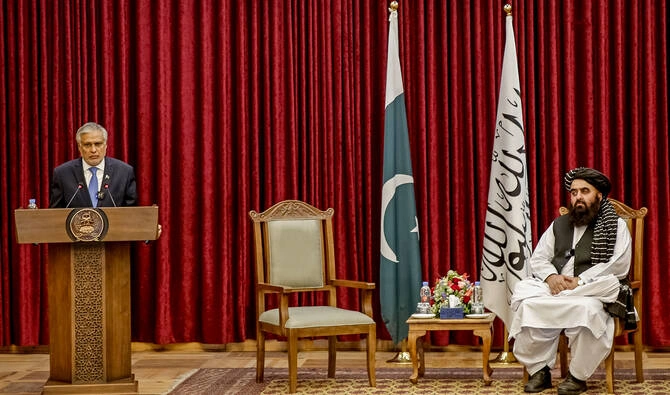
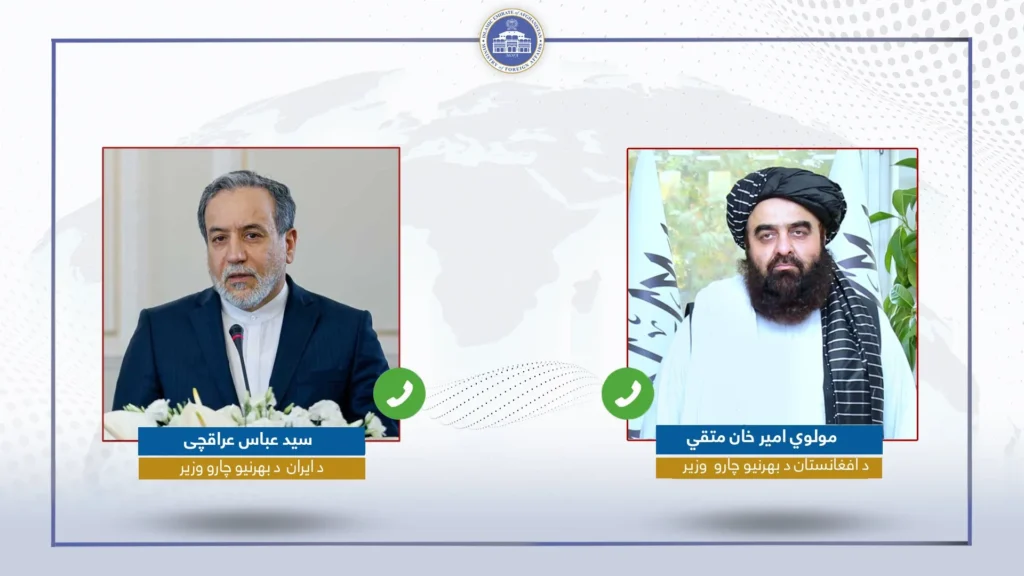
In discussions with Afghanistan’s FM Amir Khan Muttaqi, he reportedly urged Kabul to cooperate with mediation, highlighting Iran’s role in promoting regional dialogue and de-escalation
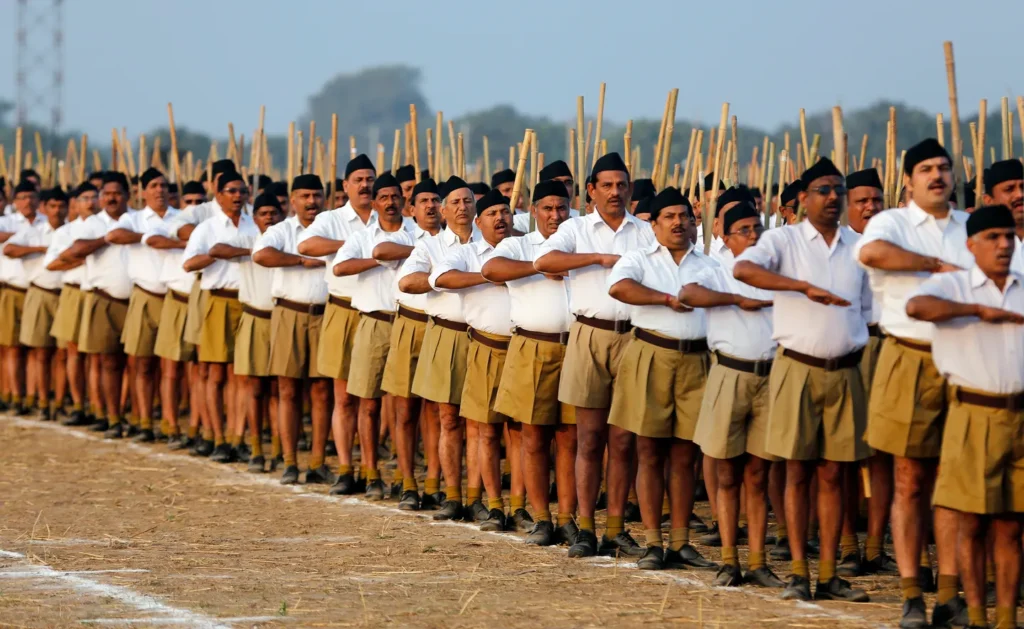
A new investigation reveals that the Rashtriya Swayamsevak Sangh’s covert RSS lobbying push in the US Congress bypassed key transparency laws, raising serious questions about foreign influence.
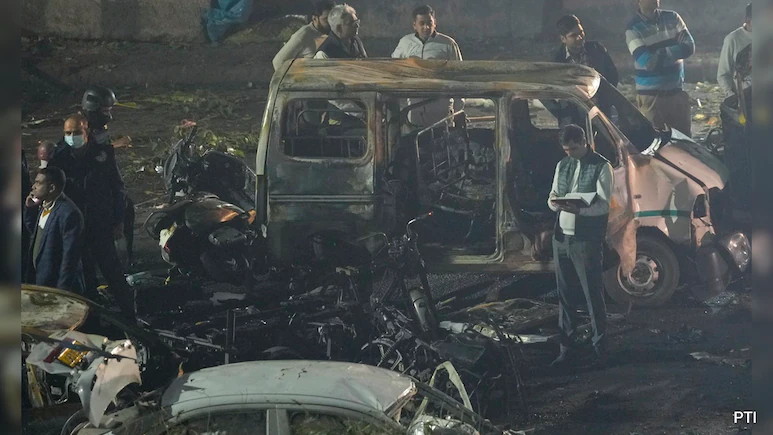
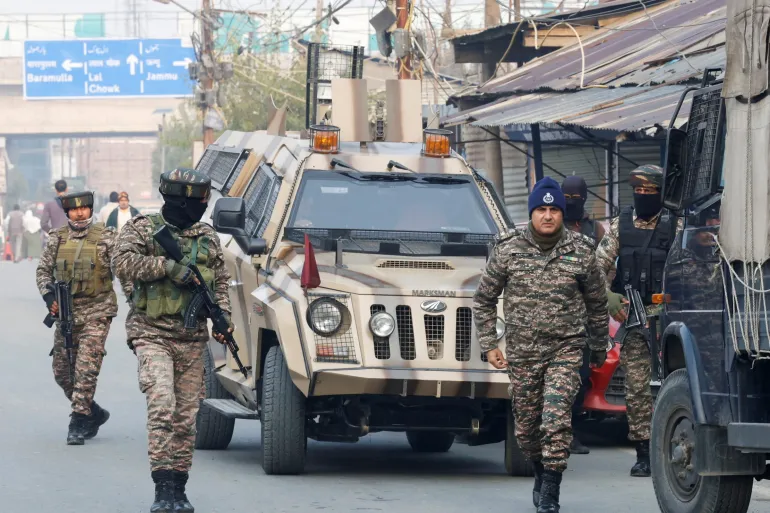
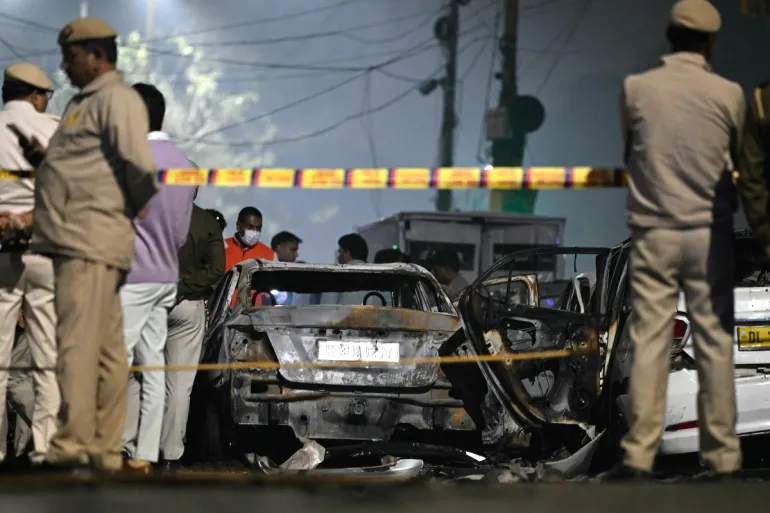
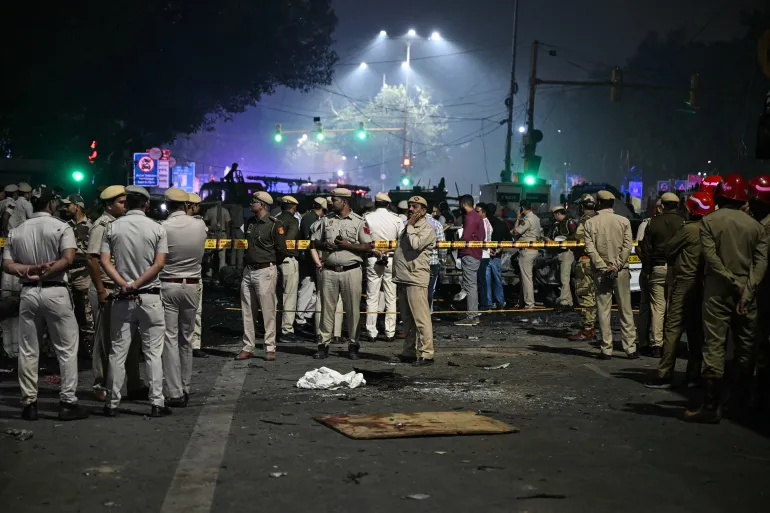
Despite New Delhi’s claims of “zero militancy,” the Delhi car bombing and the Srinagar police station blast expose deep institutional negligence, weak intelligence coordination, and a widening strategic gap inside India’s own security architecture
In its first meeting on November 14, 2025, in Peshawar, CM Sohail Afridi’s cabinet approves repeal of the 2011 Regulation, aligning with a unanimous KP Assembly resolution.
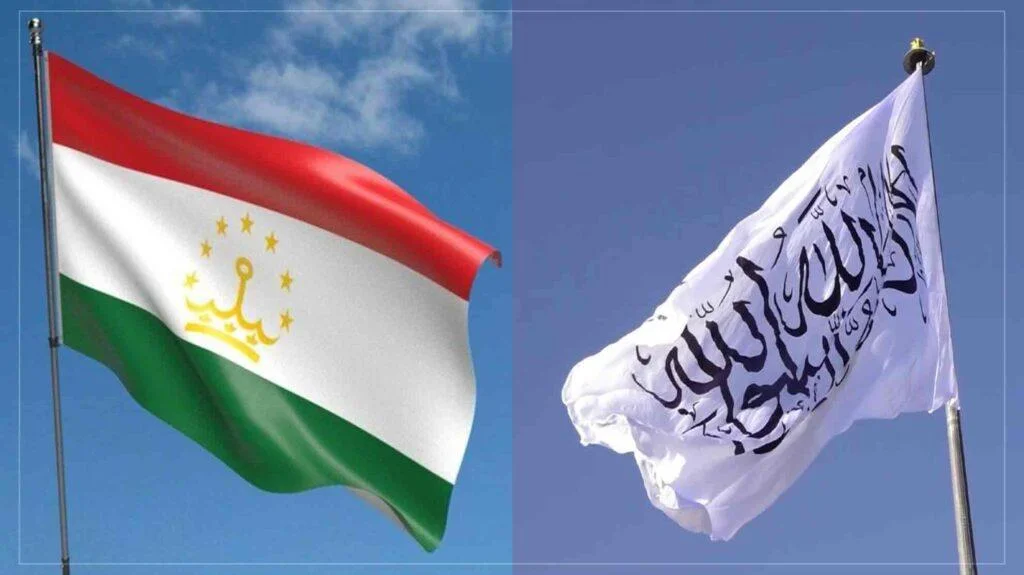
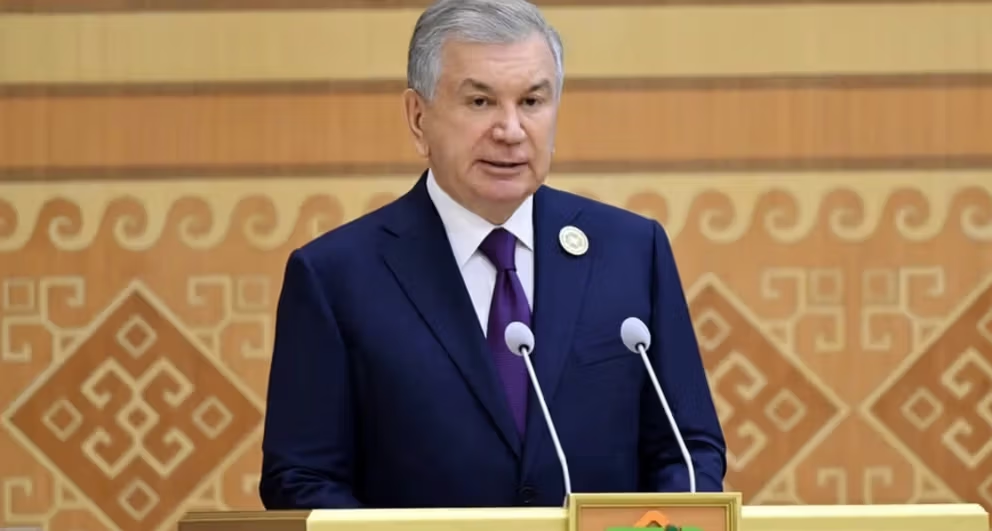
Addressing leaders in Tashkent, President Mirziyoyev urged deeper regional engagement with Kabul even as the Taliban dropped Uzbek from Jawzjan University, triggering fresh ethnic tension.
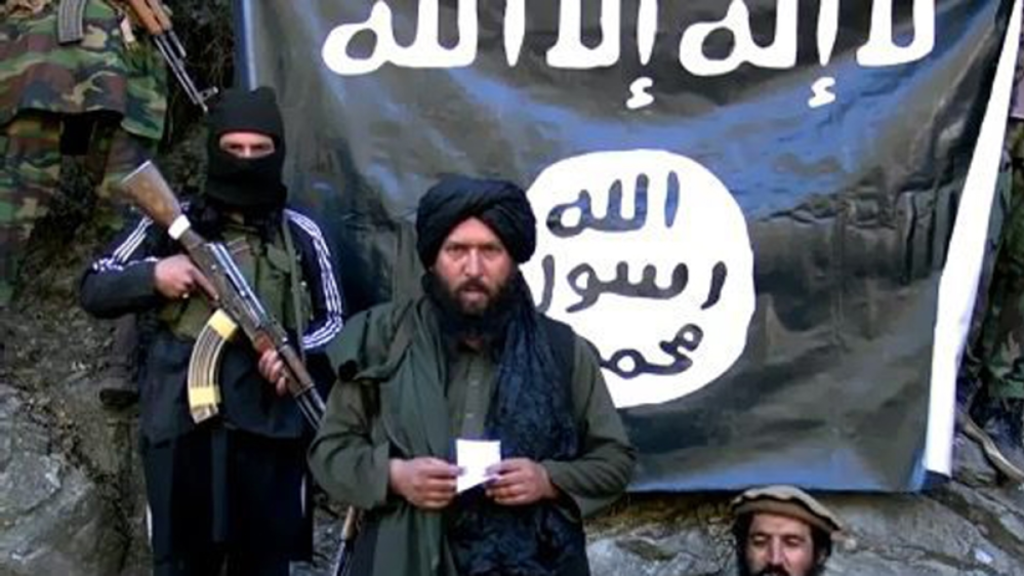
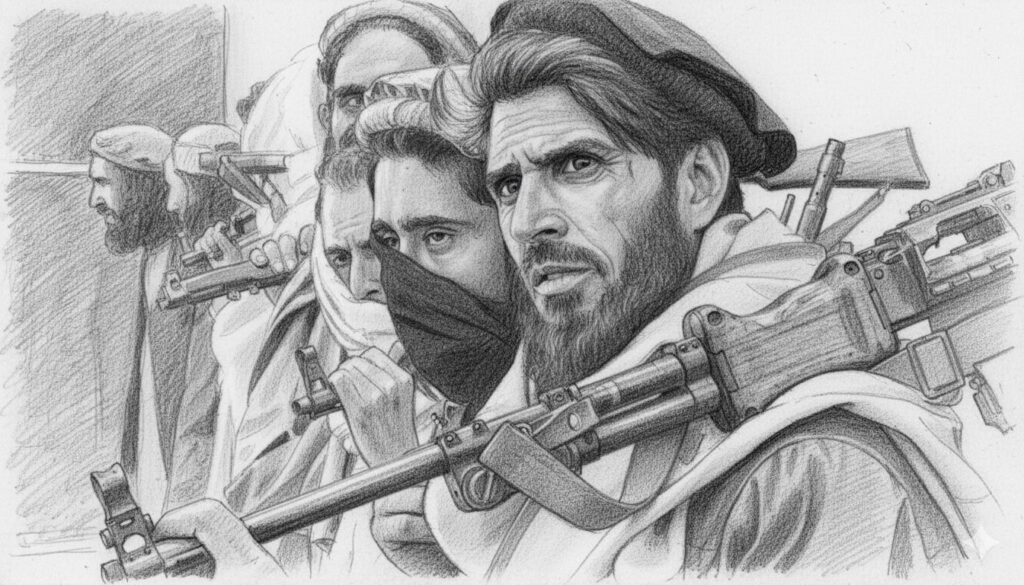
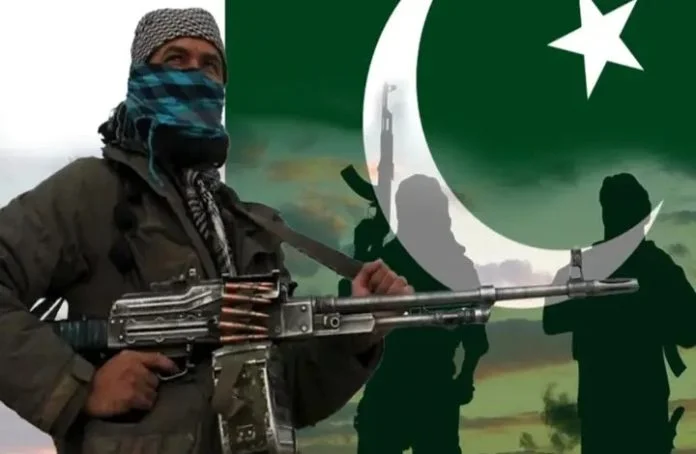
This analysis examines how the Taliban’s continued tolerance of TTP sanctuaries and cross-border militancy has transformed Afghan soil into a strategic pressure tool against Pakistan
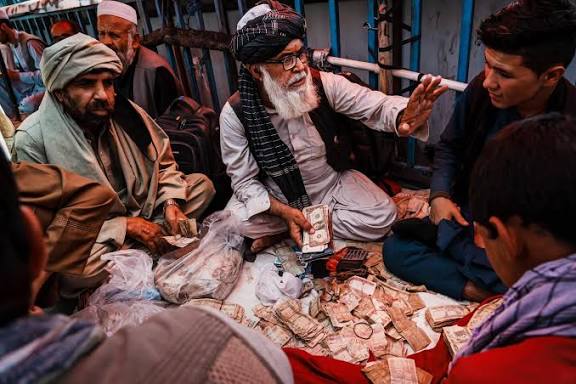
Kabul’s decision to sever trade ties with Pakistan highlights geopolitical tensions, economic vulnerabilities, and the challenge of finding alternative routes through Iran and Central Asia.
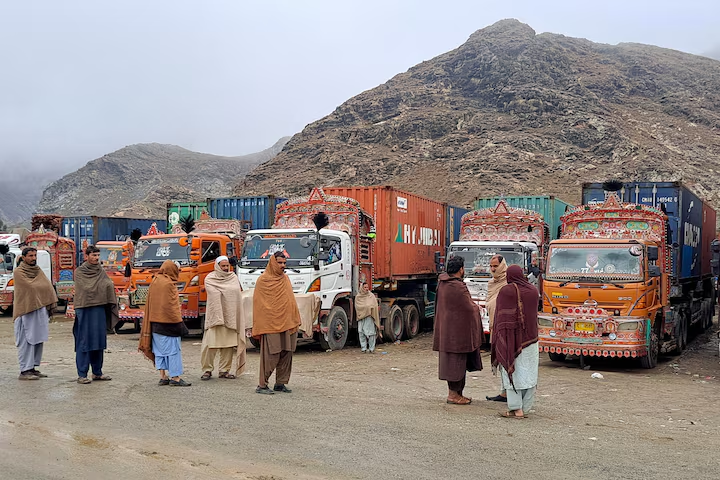
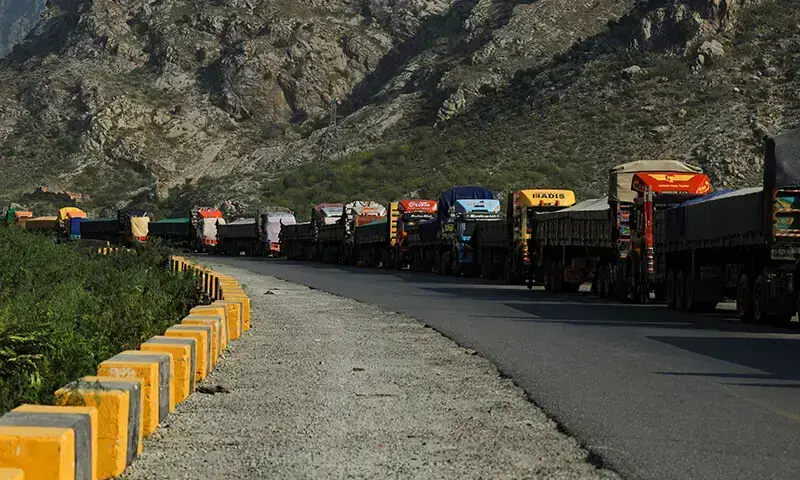
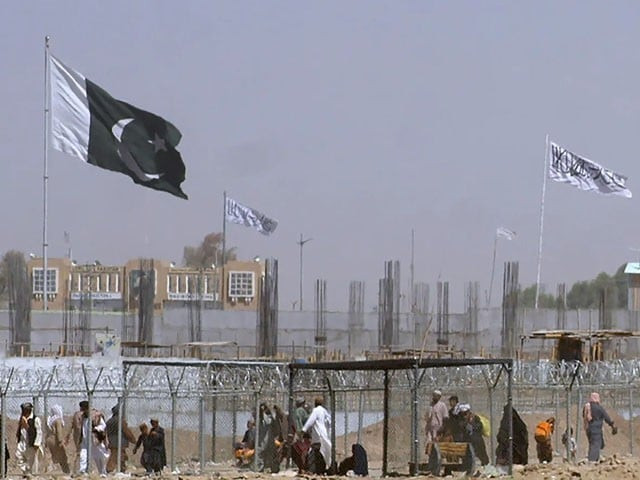
Amid a month-long border closure and stranded cargo worth millions, Afghanistan’s decision to suspend trade with Pakistan raises fears of an “economic massacre” among local traders and industry leaders.
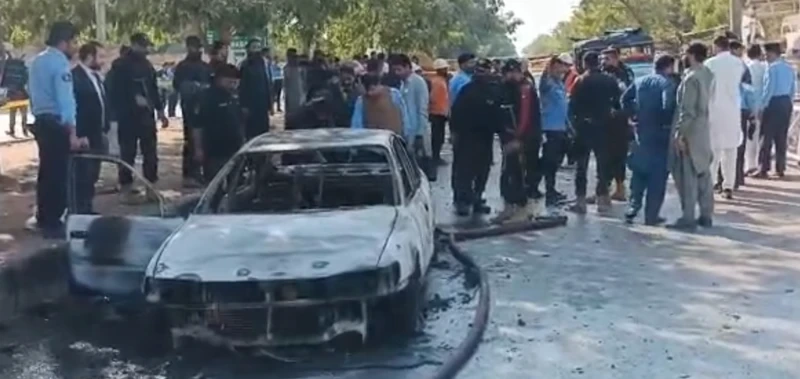
Blasts in Delhi and Islamabad expose South Asia's fragile security, highlighting Afghanistan and India's dual game of proxy warfare against Pakistan, risking regional conflict.
A United Nations Development Programme survey reveals that over 4.5 million returnees, natural disasters, and a disabled female workforce are plunging Afghan households into debt and hunger.
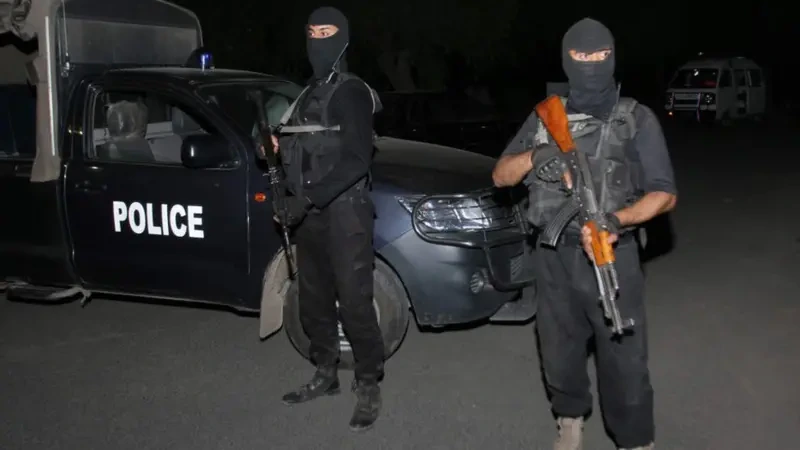
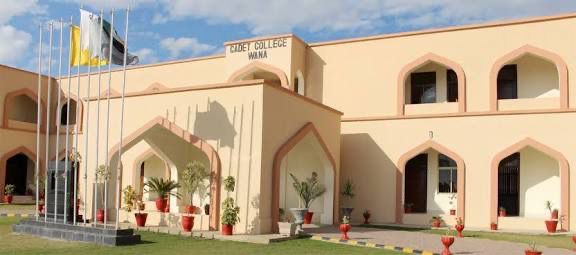
From the EU to China, nations unite in condemning the suicide attack near the Islamabad court and the assault on Wana Cadet College, mourning dozens of lives lost.
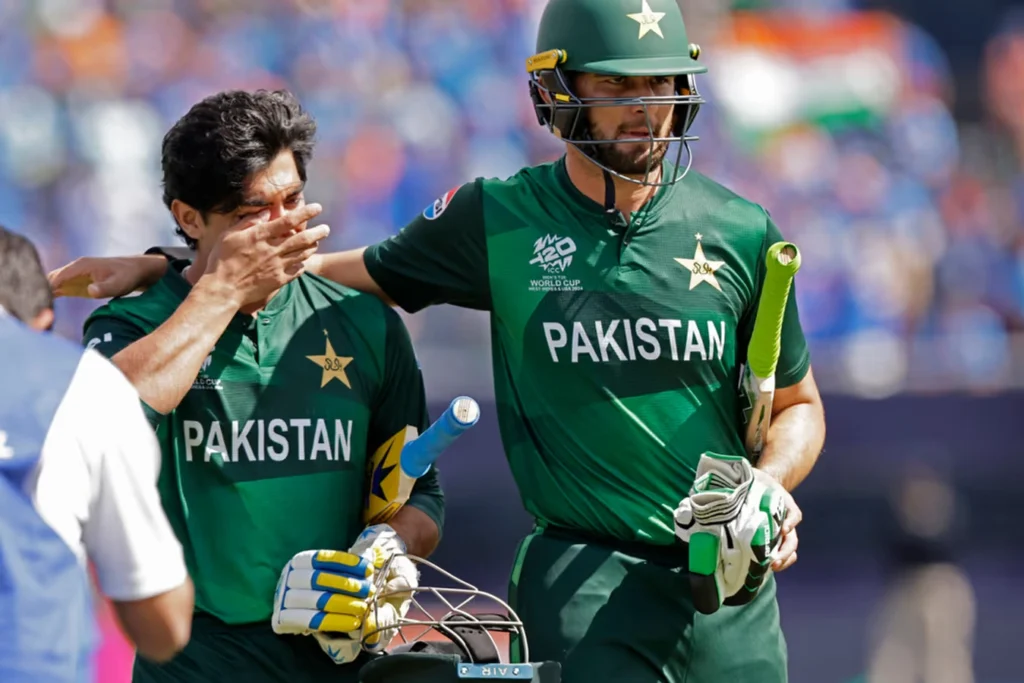
Unknown assailants opened fire at the home of national fast bowler Naseem Shah in Dera Ismail Khan, causing damage to the main gate, windows, and vehicle.
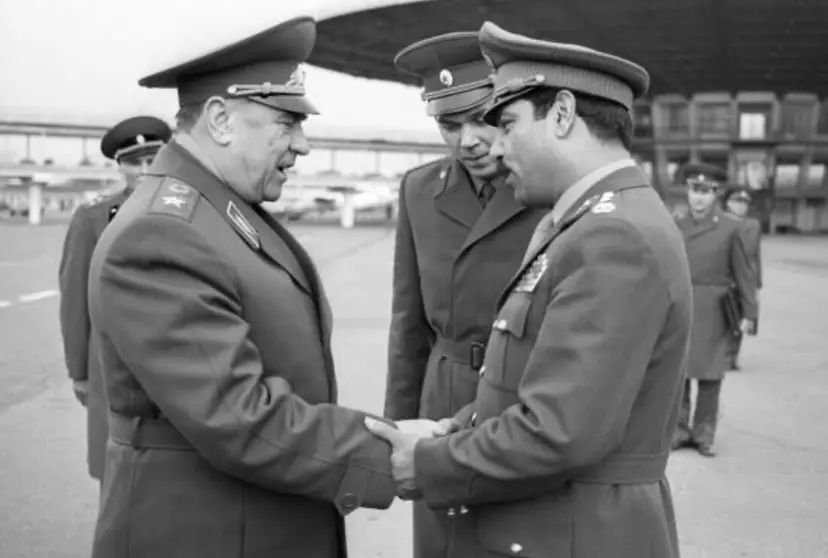
Mohammad Rafi, a former Afghan general and defence minister, who played a crucial role in the 1978 political changes and later served under multiple Afghan regimes, passed away in Germany after a prolonged illness, leaving behind a legacy intertwined with Afghanistan’s turbulent modern history.
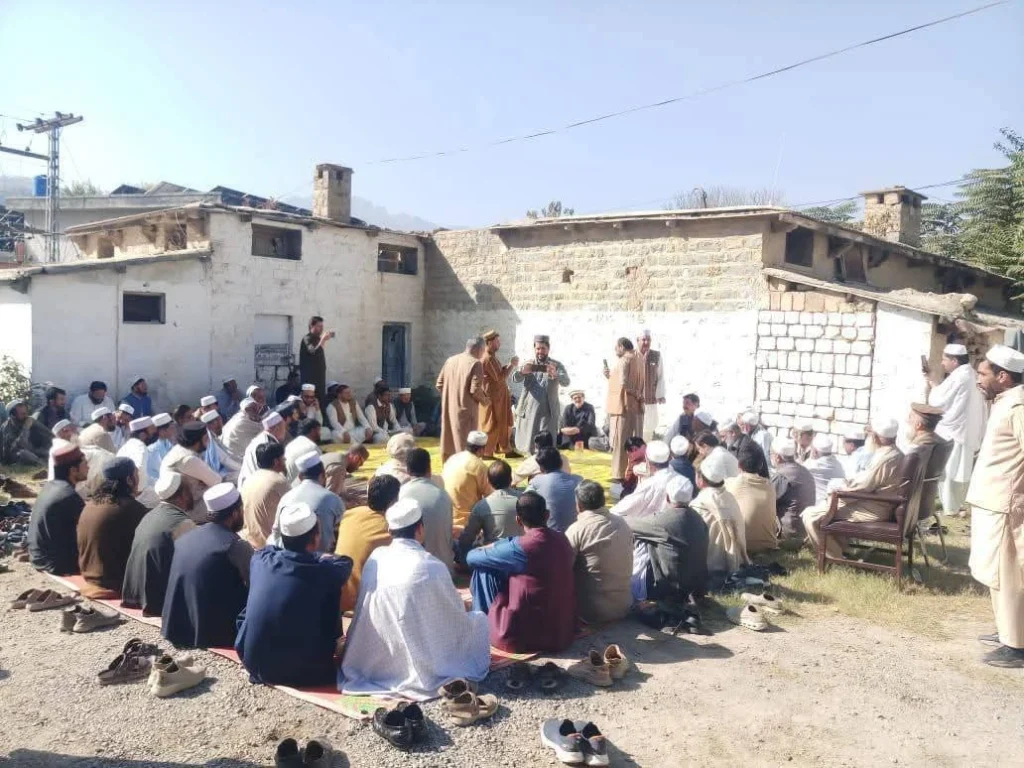
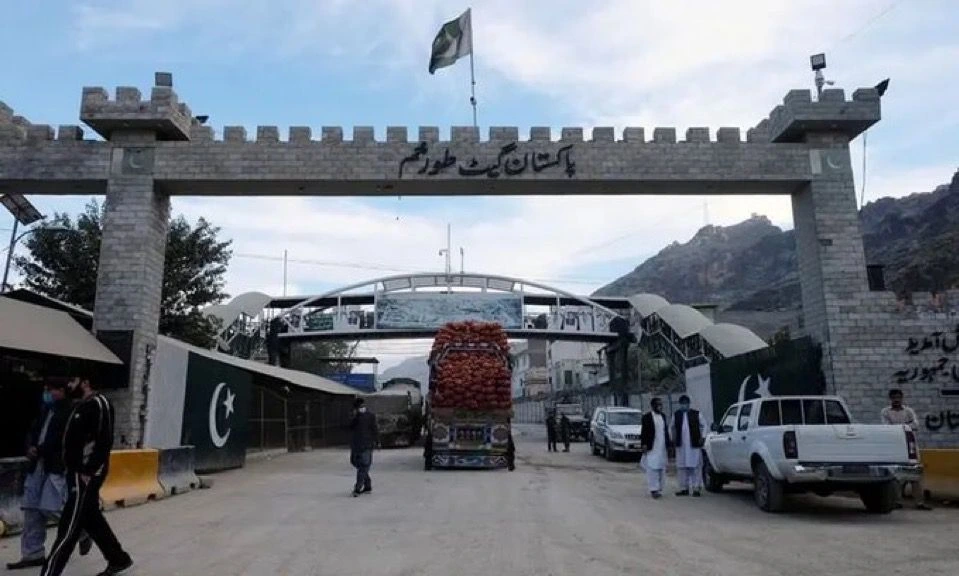
Political leaders, tribal elders, traders, and transporters call on Pakistan and Afghanistan authorities to end the month-long closure of the Torkham crossing, citing severe economic hardship.
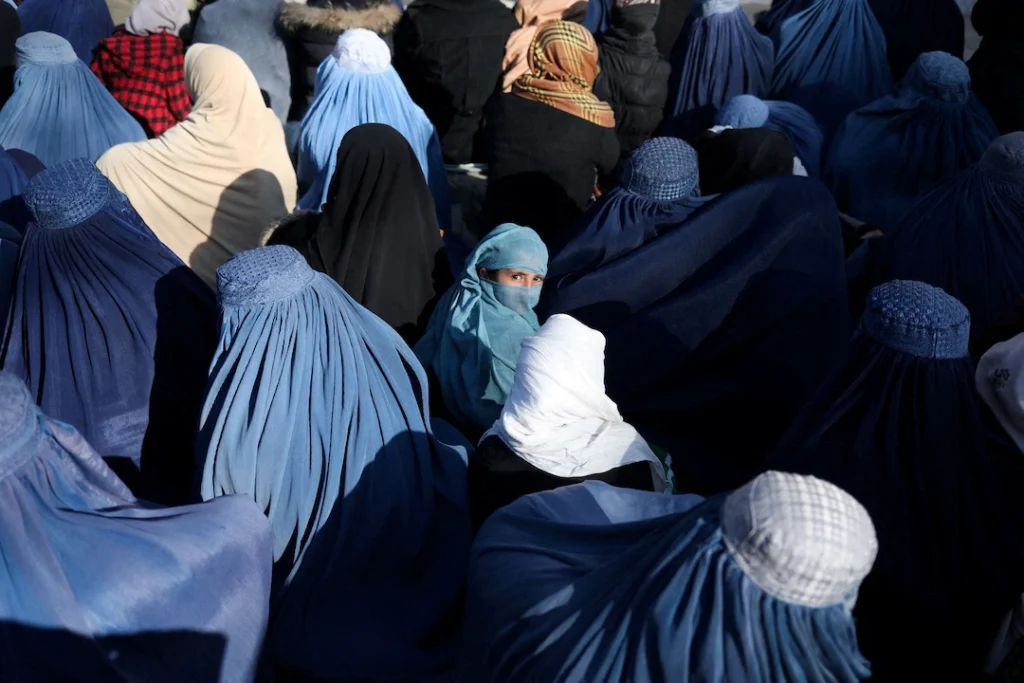
In a rare act of defiance, Afghan women torch burqas to challenge the Taliban’s new decree enforcing the full-body veil, calling it a direct attack on women’s dignity, freedom, and human rights.
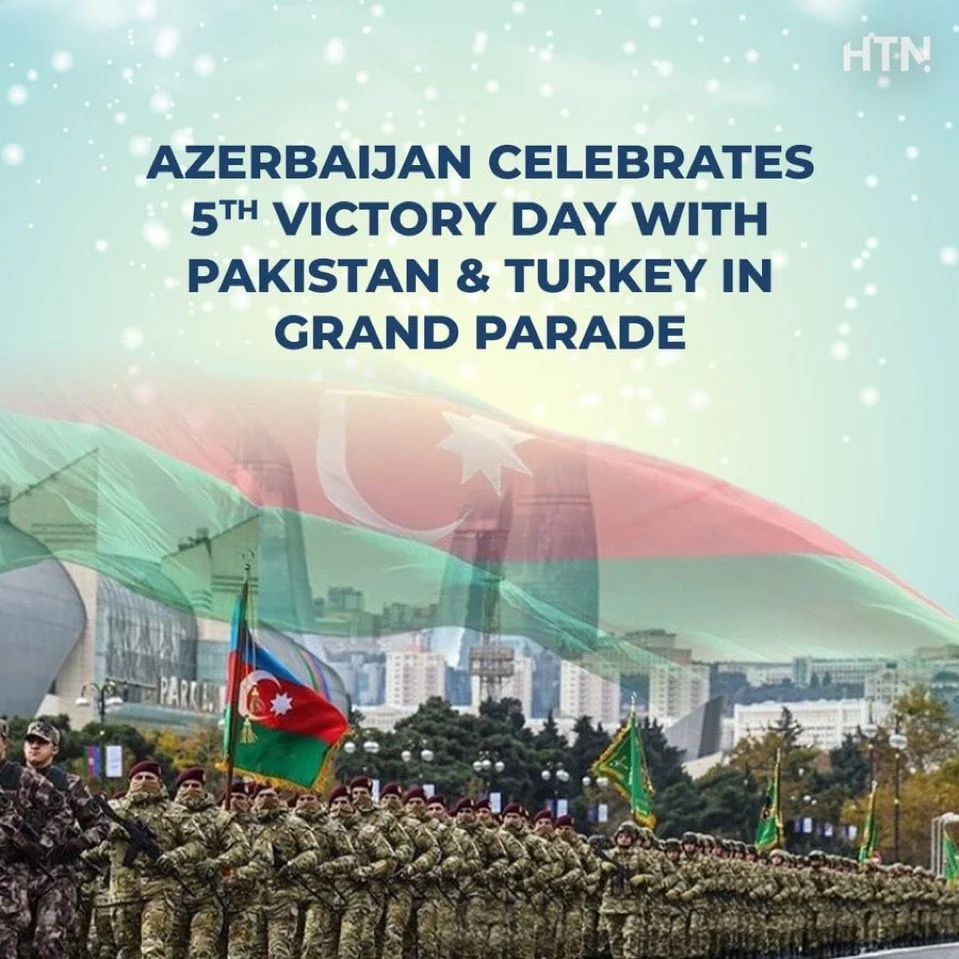
Azerbaijan marks its 5th Victory Day with a grand parade in Baku as leaders from Azerbaijan, Türkiye, and Pakistan reaffirm regional friendship, cooperation, and peace.
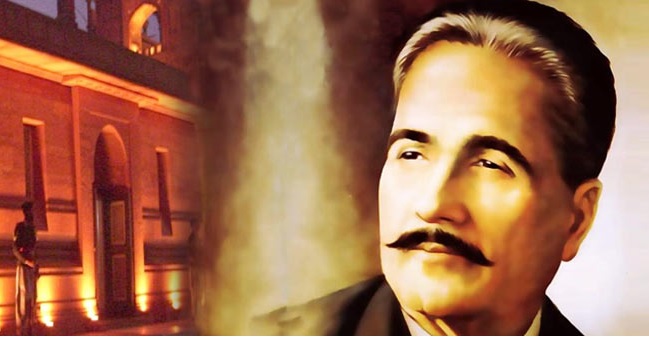
Commemorating Iqbal Day 2025, the philosophy of Khudi urges self-realization, inner strength, and spiritual awakening to ignite the divine spark within humanity.
After the Istanbul talks failed, Zabihullah Mujahid defended Kabul’s stance, rejecting Pakistan’s demands on TTP as Islamabad pressed for accountability.








![The Al Jazeera Media Network logo is seen on its headquarters building in Doha, Qatar [IC: Showkat Shafi/Al Jazeera]](https://htnworld.com/wp-content/uploads/2025/11/469e28862b3a46b8b783b0cf65ba0af0_18.webp)

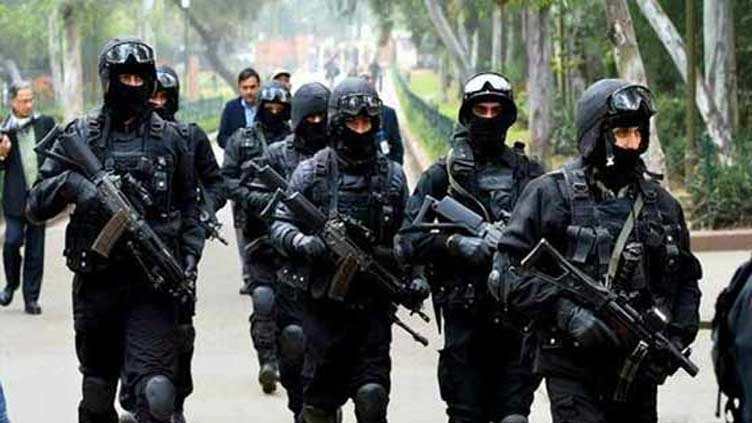
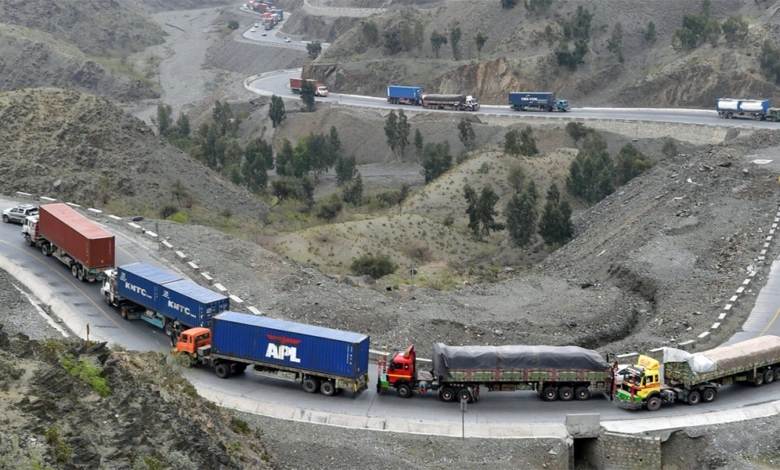


![Canadian International Trade Minister Maninder Sidhu is on a three-day visit to India to bolster economic ties with the country [IC: Anushree Fadnavis/Reuters]](https://htnworld.com/wp-content/uploads/2025/11/reuters_6915fd62-1763048802.webp)
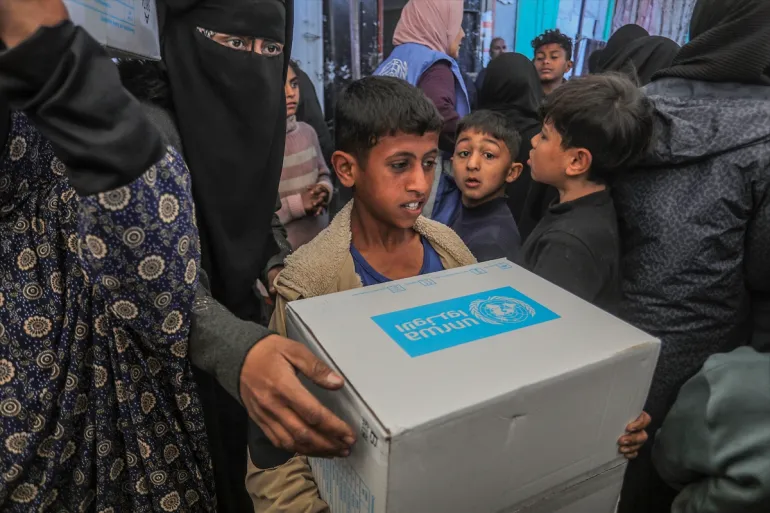
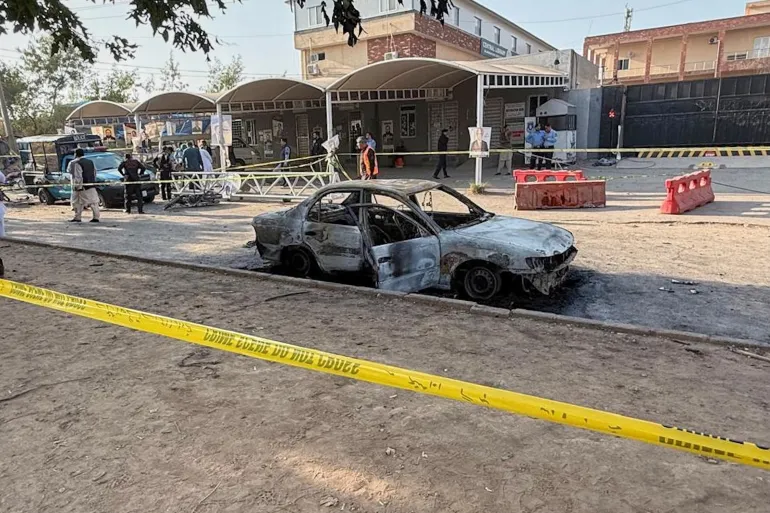


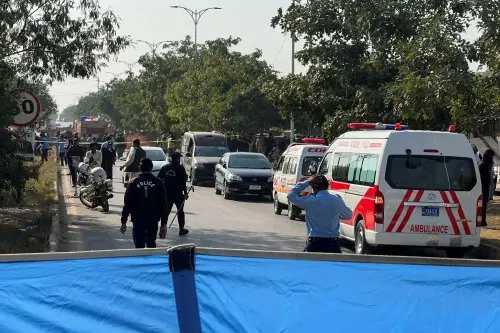
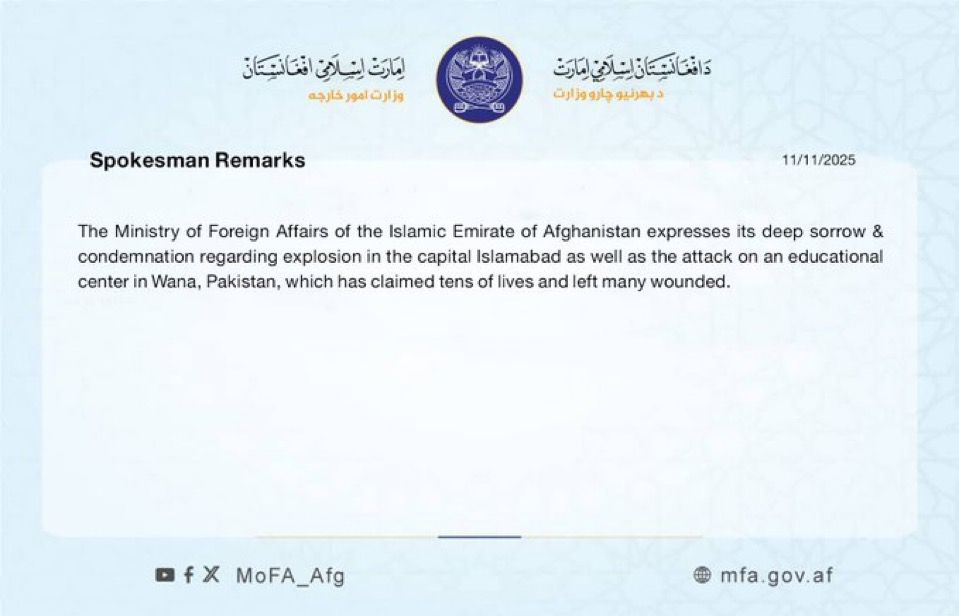
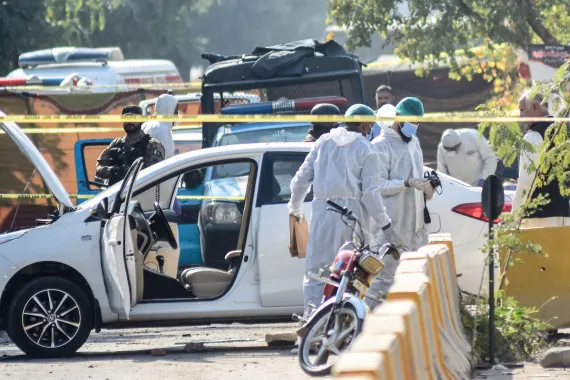
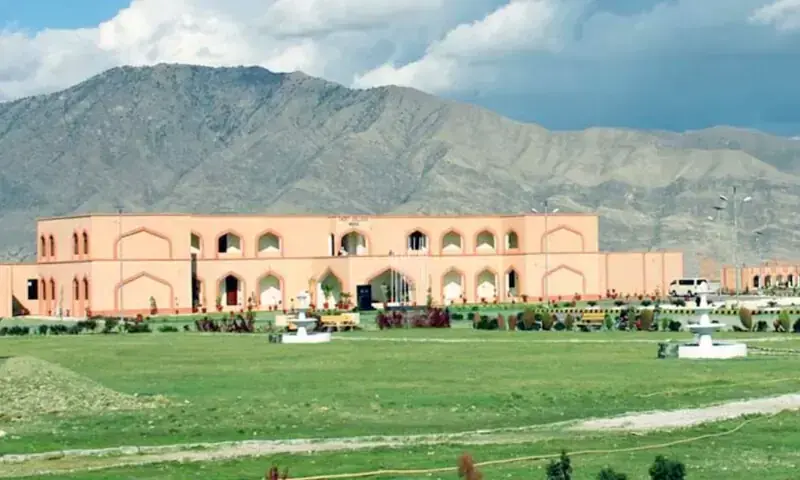

![Pakistan’s Defence Minister Khawaja Asif (centre right) and Afghan Taliban Defence Minister Muhammad Yaqub Mujahid (centre left) shake hands after signing a ceasefire agreement between Pakistan and Afghanistan on Sunday, October 19 in Doha, Qatar. [IC: X/@MofaQatar_EN]](https://htnworld.com/wp-content/uploads/2025/11/pakistan-afghanistan-peace-talks-mullah-muhammad-yaqoob-khawaja-asif-2025-10-25-10-21-24-1024x576.webp)


![Taliban fighters guard an aid site and give instructions to survivors of the earthquake, in the Gayan district of Afghanistan, June 24, 2022. [IC: Kiana Hayeri/The New York Times]](https://htnworld.com/wp-content/uploads/2025/11/20220808-afghan-earthquake-2-nyt-ac-1024x683.webp)
![Taliban militants in the northern Kunduz Province, 2010. [IC: REUTERS]](https://htnworld.com/wp-content/uploads/2025/11/Taliban-insurgents-in-the-006.webp)
![Director General Inter-Services Public Relations (DG ISPR) Lieutenant General Ahmed Sharif Chaudhry addresses gathering of students and teacher in Islamabad, May 17, 2025. [IC: Screengrab via video/ISPR]](https://htnworld.com/wp-content/uploads/2025/11/604943_8133512_updates.webp)
![A lady doctor examining Afghan women. [IC: SSAR]](https://htnworld.com/wp-content/uploads/2025/11/img-page-feature-pakistan-1.webp)
![Ms Bhutto at the Rawalpindi rally, minutes before she was assassinated. [IC: John Moore]](https://htnworld.com/wp-content/uploads/2025/11/102197661_004917324.jpg.webp)
![Army soldiers stand guard during a temporary closure of the Friendship Gate crossing point at the Pakistan-Afghanistan border town of Chaman, Pakistan September 2, 2021. [IC: Reuters]](https://htnworld.com/wp-content/uploads/2025/11/DQOM7VBA3VNSDC2Z45J5EA5HOM.webp)
![Taliban government spokesman Zabihullah Mujahid during a press conference in Kabul, Afghanistan, on September 21, 2021. [Courtesy: AP].](https://htnworld.com/wp-content/uploads/2025/11/2821516-1316215333.webp)